Another day, another damaging TV programme about ADHD
Despite what you may read online or be told by well meaning friends and relatives: ADHD is not new, over diagnosed or a TikTok trend.
I’m writing this post well aware that your social media feeds may be trying to persuade you away from cold hard facts. School holidays with children can be hard enough. Please don’t feel that you have to subject yourself to viewing rage bait or justifying a neurodevelopmental condition to people online. If you’re genuinely interested, seek out the UK government’s own recently published report about Attention Deficit Hyperactivity Disorder, which it appears was hoped would justify their desire to change education and reduce NHS support, but has apparently said the opposite.
Has there been a huge increase in people requesting an ADHD diagnosis? Yes.
Is this because there are suddenly more people in the UK with ADHD? No.
The prevalence of people with ADHD remains the same and has done for many years. It is agreed that approximately 5% of the population have ADHD and diagnosis rates remain at well below that, so rather than ADHD being over-diagnosed, it is currently and has always been, under-diagnosed in the United Kingdom.
What has changed is that firstly the research has caught up to the lived experience of people with ADHD. More specifically people with ADHD who are not annoying, disruptive little boys or rampant criminals.
The old research said that ADHD was something that rarely affected girls and that most people grew out of. We now know that these things are simply untrue. People having their ADHD quietly, have traditionally been overlooked. If you only ever look for 10 year old boys causing havoc, then you won’t recognise the day dreamers sat in the same classrooms.
Attention Deficit Hyperactivity Disorder is a life long condition. The reason professionals thought children outgrew it was because adults don’t behave in the same ways they did as children. (Shocker!) Many children and adults with ADHD learned to mask their behaviours, develop coping mechanisms and generally just found ways to hide their external symptoms. As a result the focus remained on those children causing problems in the classroom and adults causing problems in society.
As knowledge has grown about the different ways that ADHD presents itself, a wider range of people have identified that their challenges may have been caused by ADHD. This has understandably led to a huge increase in people requesting a diagnosis and treatment.
The second driver in the huge increase is that people have access to a lot more information. There is absolutely no doubt that people are learning things via social media, but that doesn’t make it a trend. It makes the internet a valuable free resource for people who have been sat on waiting lists for years and those who have been fobbed off by medical professionals who didn’t have enough training to make an informed referral.
The internet gives non-professionals the chance to research the lived experience and challenges faced by their children. Small organisations like ours have been around for over 20 years, providing accurate unbiased information to our small local community of parents. The internet means that information can be easily shared with much larger groups. Online communities have popped up all over the world and make it a lot easier for us all to connect with others, compare lived experience and share information. Sometimes that information is a piece of entertaining social media content, but increasingly that information is research, details of consultations on services, legal information or government documentation. Documents like the NICE guidelines for ADHD are available online for anybody to read as are lots of peer reviewed scientific research papers.
As a parent support group, people come to us because they have a child with ADHD, but over the years we’ve had several parents who have realised that either themselves or their partners also have ADHD traits. When “everybody does that” becomes “everybody in our family does that” it’s easier to recognise that the strong hereditary factor has been working it’s magic across your family tree. Many young women who have been diagnosed with anxiety and depression, later discover that the root cause of their struggles was unsupported neurodiversity.
So before you fall for the rage bait headlines of a tv programme commissioned by a large broadcaster or online headline generated by a columnist for a large newspaper, please remember that outrage generates views and views make them money. There is more than enough accurate information out there, so please make sure that you are only paying attention to what matters.
Summer Break
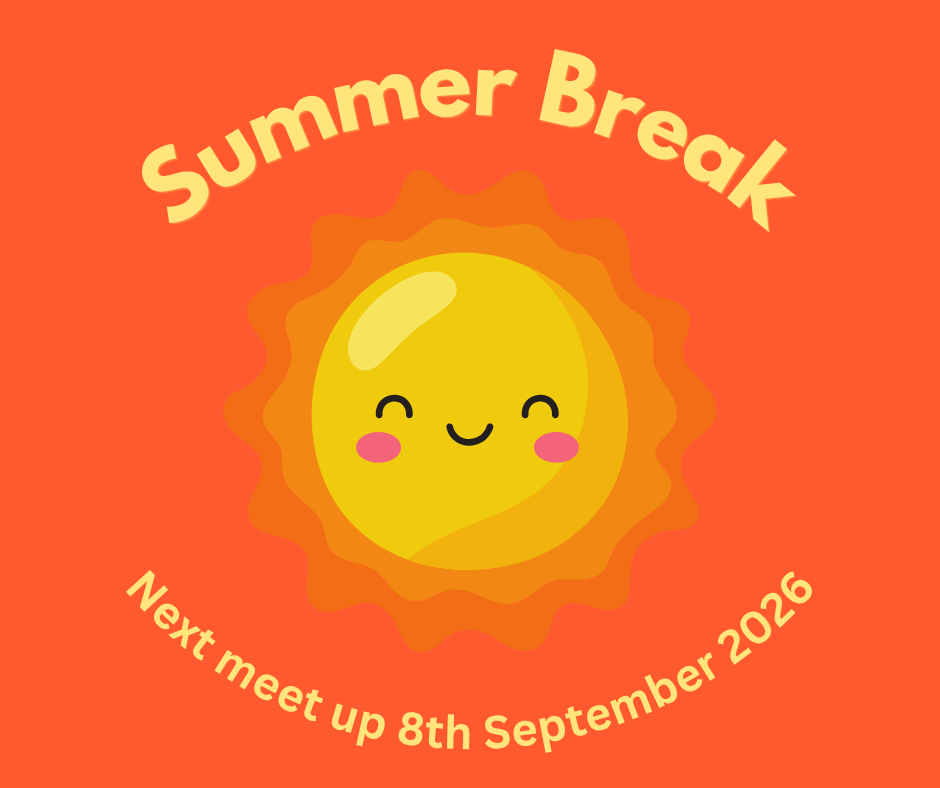
A quick reminder that there is no SPACE meet up in August.
Claire and Michelle will be back at The Dog and Partridge on Tuesday 8th September from 7.00 pm. The SPACE team are still around online, so if you are parenting a child with ADHD, feel free to join our private online community on Facebook.
The meet up dates for the rest of 2026 are available here on our website.