
The very short answer to that question is that we are here to make sure that parents of children with ADHD don't feel alone. S.P.A.C.E. is a parent support group for people who have children with Attention Deficit Hyperactivity Disorder. The support parents needed didn't exist, so we created it and after all this time, we're still here. We provide a place where parents and carers can meet others facing similar challenges. We provide access to unbiased information and signpost to local … [Read more...] about What’s The Point of SPACE?
ADHD
ADHD Fake News
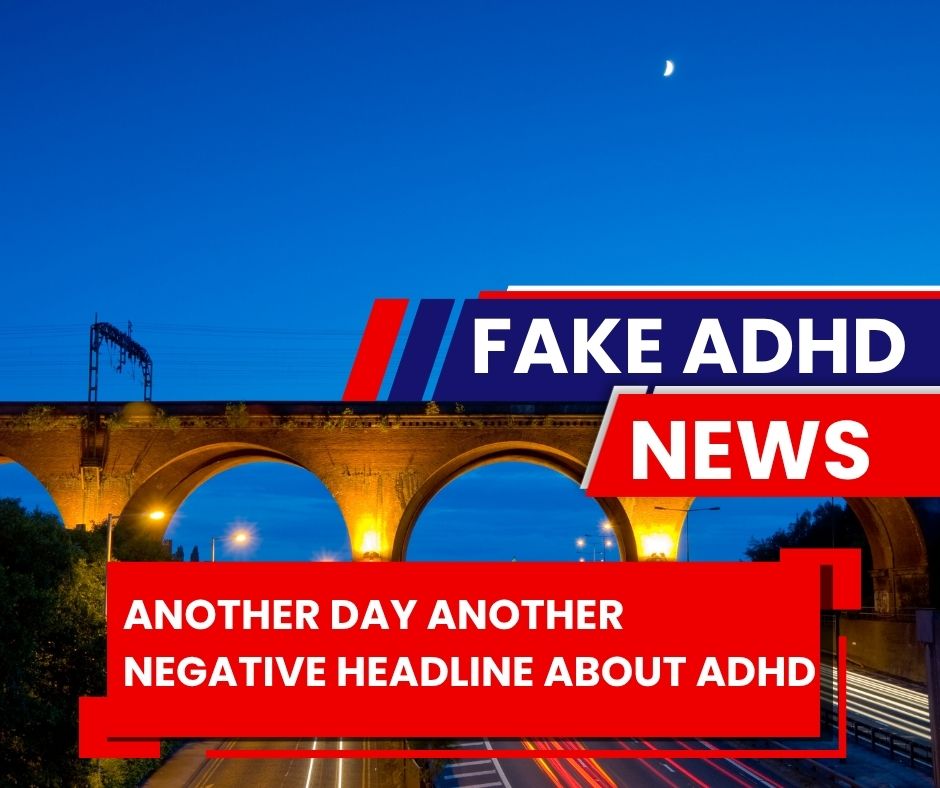
Another day, another damaging TV programme about ADHD Despite what you may read online or be told by well meaning friends and relatives: ADHD is not new, over diagnosed or a TikTok trend. I'm writing this post well aware that your social media feeds may be trying to persuade you away from cold hard facts. School holidays with children can be hard enough. Please don't feel that you have to subject yourself to viewing rage bait or justifying a neurodevelopmental condition to people online. … [Read more...] about ADHD Fake News
ADHD Meet Up March 2026

Our next monthly parent support group meet up takes place on Tuesday 10th March 2026 at The Dog and Partridge in Stockport. Our monthly in-person meet up is for parents and carers of children with ADHD. They are a chance to meet other parents who face similar challenges. There is no need to have a formal diagnosis, no charge to attend and no need to book in advance. During our meet ups we share any news about ADHD and answer any questions that people bring. Our meet ups take place on the … [Read more...] about ADHD Meet Up March 2026
SEND Reform & Schools White Paper

The UK Government has recently published a White Paper about changes to support for children with Special Educational Needs and Disabilities (SEND), which includes children with ADHD. Organisations like ours have been eagerly awaiting the proposals to change education for children with additional needs. There are laws that affect our children and although proposals have been made, those laws have not changed. There is a 12 week consultation period that ends in May and parents, young people … [Read more...] about SEND Reform & Schools White Paper
January 2026 ADHD Parent Support Meet Up

Our first S.P.A.C.E. meet up of 2026 takes place on Tuesday 13th January 2026 from 7.00 - 9.00 pm We hope that you have all had a restful Christmas and New Year and look forward to welcoming you all to the Dog and Partridge for our first ADHD meet up of the year. We'll be at The Dog and Partridge on the A6, close to Stockport Grammar School.272 Buxton RoadGreat MoorStockportSK2 7AN The pub has a free onsite car park, but you will need to add your car registration to a tablet on the … [Read more...] about January 2026 ADHD Parent Support Meet Up